
Utilization of Microscopes in Educational Institutions
The application of digital microscopes extends beyond the industrial sector to educational and research institutions. As part of "visualization," microscopes that enable "observation with a large depth-of-field," "image data analysis (measurement) with license-free software," and "real-time information sharing" are supported and adopted by many.
While it is often thought that the barrier to entry is high for educational institutions due to limited budgets, our VHX Series is customizable. This flexibility allows for introduction consideration without strain, fitting within budget constraints, which is a key reason for its adoption by numerous institutions.
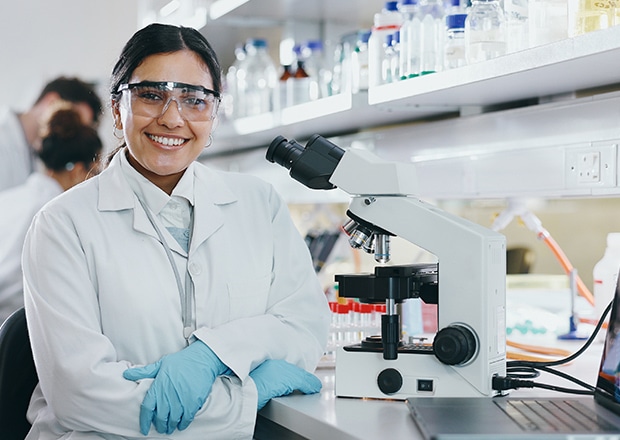
Primary Institutions of Use
Universities and Technical Colleges
Widely adopted by professors in science and engineering departments at universities, as well as in undergraduate programs and technical colleges. While there are various applications depending on the research theme, it is also frequently used for topics related to biology and clinical studies.
Public and Private Research Institutions
Adopted by many institutions, both public and private. Since "visualization" directly contributes to the achievements of researchers and institutions, our digital microscope is highly valued for its reproducibility and superior visualization capabilities.
Furthermore, in museums and art galleries, the demand for visualization is increasing due to the promotion of digital initiatives and the rise of interactive exhibits. In this context, easy-to-operate microscopes that anyone can use are finding more and more opportunities for application.

Applications of the VHX-X1
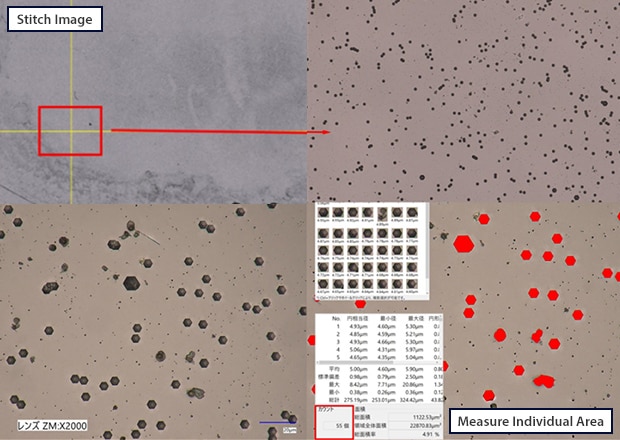
A single unit can perform everything from micro to macro observation and quantitative image analysis. Its reproducibility allows for data acquisition from multiple samples under the same conditions.
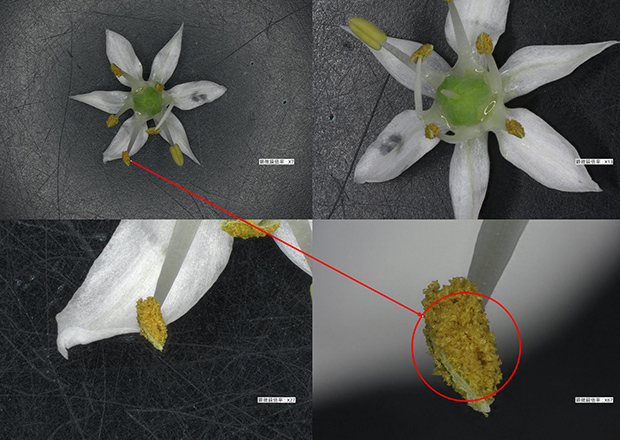
Enables easy observation of three-dimensional objects. It provides high-definition 4K images and allows for real-time analysis.
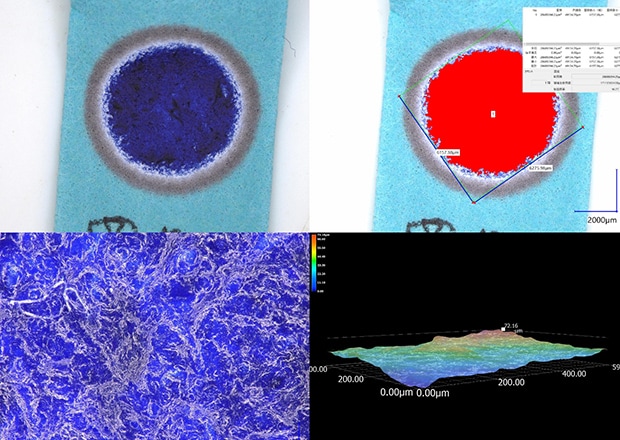
Easily performs binarization processing and allows for the visualization of surface irregularities. This facilitates analysis from multiple perspectives with ease.
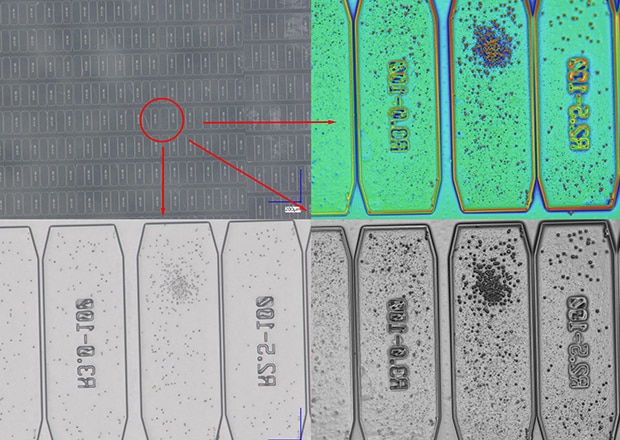
Observation methods can be easily selected according to the objective. Furthermore, since the conditions of multiple observation methods can be easily reproduced, it simplifies replication and explanation during evaluations such as peer reviews.
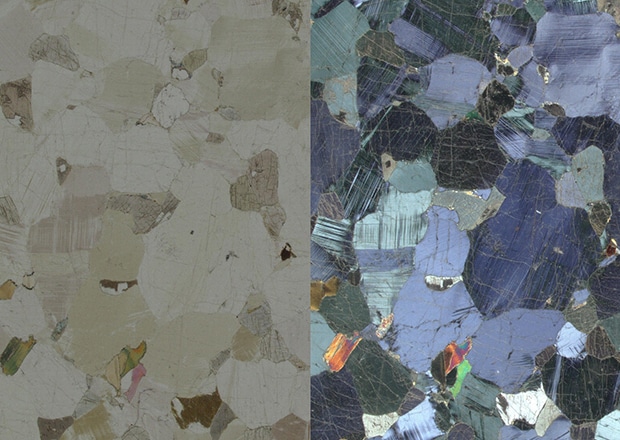
Allows for flexible control of lighting, including polarized light, beyond just transmitted and reflected illumination. As a result, features that were previously difficult to see become visible, and conditions can be checked in real-time.
